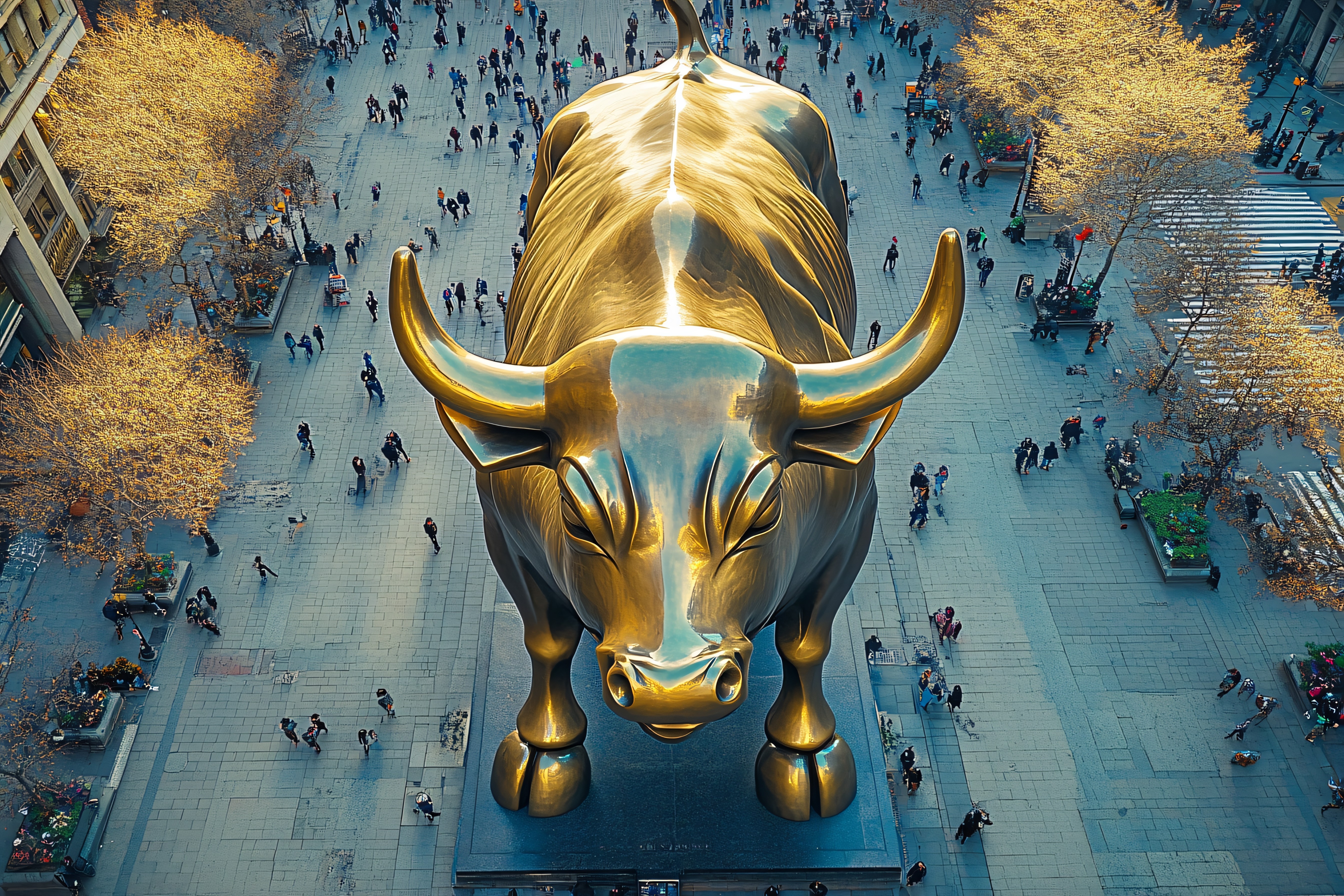
Independent Research Insights into Equities, Bonds & Crypto.

This quick guide outlines the essential 
steps to help you begin your investment journey. Whether you’re investing in shares or crypto currencies, 
success starts with a clear plan, disciplined approach, and 
good risk management. This quick guide outlines the essential 
steps to help you begin your investment journey.

  1. Understand Your Goals and Risk Tolerance

Define Your Objectives
Ask yourself why you’re investing. Is it for retirement, a property purchase, education, or additional income?

  • Short-term goals (1–3 years): Focus on safer, more liquid investments.

  • Long-term goals (5+ years): You can take on more risk for potentially higher returns.


Inspired by the Breitling Sprint watch from the 1970s that came with a pulsometer to measure heart rate, the Endurance Pro also has a heart monitor and comes in five colours: white, blue, red, orange and yellow.

Assess Your Risk Profile
Shares can fluctuate in value, and cryptocurrencies can be highly volatile. Decide how much risk you’re comfortable taking.

  • Younger investors might lean more toward growth and crypto.

  • Conservative investors may prefer blue-chip shares or index funds (ETFs).

Set a Budget
Only invest what you can afford to lose. Keep an emergency fund (3–6 months of expenses) before investing.

  1. Educate Yourself

Shares
When you buy shares, you’re buying part-ownership in a company. Research the company’s business model, financial health, and long-term outlook. Use credible sources such as Ardentis Capital’s Market Insights to help identify quality opportunities.

Crypto
Cryptocurrencies like Bitcoin and Ethereum are digital assets built on blockchain technology. They can offer strong growth potential, but also high volatility. Research each project’s fundamentals its purpose, use case,
and track record before investing.

Diversification
Spread your investments across different sectors (e.g., technology, healthcare, consumer goods) and asset types (shares, ETFs, crypto) to reduce risk.


Independent Research Insights into Equities, Bonds & Crypto.

This quick guide outlines the essential 
steps to help you begin your investment journey. Whether you’re investing in shares or crypto currencies, 
success starts with a clear plan, disciplined approach, and 
good risk management. This quick guide outlines the essential 
steps to help you begin your investment journey.

  1. Understand Your Goals and Risk Tolerance

Define Your Objectives
Ask yourself why you’re investing. Is it for retirement, a property purchase, education, or additional income?

  • Short-term goals (1–3 years): Focus on safer, more liquid investments.

  • Long-term goals (5+ years): You can take on more risk for potentially higher returns.


Inspired by the Breitling Sprint watch from the 1970s that came with a pulsometer to measure heart rate, the Endurance Pro also has a heart monitor and comes in five colours: white, blue, red, orange and yellow.

Assess Your Risk Profile
Shares can fluctuate in value, and cryptocurrencies can be highly volatile. Decide how much risk you’re comfortable taking.

  • Younger investors might lean more toward growth and crypto.

  • Conservative investors may prefer blue-chip shares or index funds (ETFs).

Set a Budget
Only invest what you can afford to lose. Keep an emergency fund (3–6 months of expenses) before investing.

  1. Educate Yourself

Shares
When you buy shares, you’re buying part-ownership in a company. Research the company’s business model, financial health, and long-term outlook. Use credible sources such as Ardentis Capital’s Market Insights to help identify quality opportunities.

Crypto
Cryptocurrencies like Bitcoin and Ethereum are digital assets built on blockchain technology. They can offer strong growth potential, but also high volatility. Research each project’s fundamentals its purpose, use case,
and track record before investing.

Diversification
Spread your investments across different sectors (e.g., technology, healthcare, consumer goods) and asset types (shares, ETFs, crypto) to reduce risk.


Research

At Ardentis Capital, research is the
foundation of everything we do

At Ardentis Capital, research is the
foundation of everything we do

We believe exceptional investment outcomes are built on insight, discipline,
and the courage to challenge consensus.

Latest Articles

Latest Articles

Independent Research Insights into Equities, Bonds & Crypto.

This quick guide outlines the essential 
steps to help you begin your investment journey. Whether you’re investing in shares or crypto currencies, 
success starts with a clear plan, disciplined approach, and 
good risk management. This quick guide outlines the essential 
steps to help you begin your investment journey.

  1. Understand Your Goals and Risk Tolerance

Define Your Objectives
Ask yourself why you’re investing. Is it for retirement, a property purchase, education, or additional income?

  • Short-term goals (1–3 years): Focus on safer, more liquid investments.

  • Long-term goals (5+ years): You can take on more risk for potentially higher returns.


Inspired by the Breitling Sprint watch from the 1970s that came with a pulsometer to measure heart rate, the Endurance Pro also has a heart monitor and comes in five colours: white, blue, red, orange and yellow.

Assess Your Risk Profile
Shares can fluctuate in value, and cryptocurrencies can be highly volatile. Decide how much risk you’re comfortable taking.

  • Younger investors might lean more toward growth and crypto.

  • Conservative investors may prefer blue-chip shares or index funds (ETFs).

Set a Budget
Only invest what you can afford to lose. Keep an emergency fund (3–6 months of expenses) before investing.

  1. Educate Yourself

Shares
When you buy shares, you’re buying part-ownership in a company. Research the company’s business model, financial health, and long-term outlook. Use credible sources such as Ardentis Capital’s Market Insights to help identify quality opportunities.

Crypto
Cryptocurrencies like Bitcoin and Ethereum are digital assets built on blockchain technology. They can offer strong growth potential, but also high volatility. Research each project’s fundamentals its purpose, use case,
and track record before investing.

Diversification
Spread your investments across different sectors (e.g., technology, healthcare, consumer goods) and asset types (shares, ETFs, crypto) to reduce risk.


Oct 22, 2025

1 min read

Author: Nelson Muringa CA, CIA

Independent Research Insights into Equities, Bonds & Crypto.

This quick guide outlines the essential 
steps to help you begin your investment journey. Whether you’re investing in shares or crypto currencies, 
success starts with a clear plan, disciplined approach, and 
good risk management. This quick guide outlines the essential 
steps to help you begin your investment journey.

  1. Understand Your Goals and Risk Tolerance

Define Your Objectives
Ask yourself why you’re investing. Is it for retirement, a property purchase, education, or additional income?

  • Short-term goals (1–3 years): Focus on safer, more liquid investments.

  • Long-term goals (5+ years): You can take on more risk for potentially higher returns.


Inspired by the Breitling Sprint watch from the 1970s that came with a pulsometer to measure heart rate, the Endurance Pro also has a heart monitor and comes in five colours: white, blue, red, orange and yellow.

Assess Your Risk Profile
Shares can fluctuate in value, and cryptocurrencies can be highly volatile. Decide how much risk you’re comfortable taking.

  • Younger investors might lean more toward growth and crypto.

  • Conservative investors may prefer blue-chip shares or index funds (ETFs).

Set a Budget
Only invest what you can afford to lose. Keep an emergency fund (3–6 months of expenses) before investing.

  1. Educate Yourself

Shares
When you buy shares, you’re buying part-ownership in a company. Research the company’s business model, financial health, and long-term outlook. Use credible sources such as Ardentis Capital’s Market Insights to help identify quality opportunities.

Crypto
Cryptocurrencies like Bitcoin and Ethereum are digital assets built on blockchain technology. They can offer strong growth potential, but also high volatility. Research each project’s fundamentals its purpose, use case,
and track record before investing.

Diversification
Spread your investments across different sectors (e.g., technology, healthcare, consumer goods) and asset types (shares, ETFs, crypto) to reduce risk.


Independent Research Insights into Equities, Bonds & Crypto.

This quick guide outlines the essential 
steps to help you begin your investment journey. Whether you’re investing in shares or crypto currencies, 
success starts with a clear plan, disciplined approach, and 
good risk management. This quick guide outlines the essential 
steps to help you begin your investment journey.

  1. Understand Your Goals and Risk Tolerance

Define Your Objectives
Ask yourself why you’re investing. Is it for retirement, a property purchase, education, or additional income?

  • Short-term goals (1–3 years): Focus on safer, more liquid investments.

  • Long-term goals (5+ years): You can take on more risk for potentially higher returns.


Inspired by the Breitling Sprint watch from the 1970s that came with a pulsometer to measure heart rate, the Endurance Pro also has a heart monitor and comes in five colours: white, blue, red, orange and yellow.

Assess Your Risk Profile
Shares can fluctuate in value, and cryptocurrencies can be highly volatile. Decide how much risk you’re comfortable taking.

  • Younger investors might lean more toward growth and crypto.

  • Conservative investors may prefer blue-chip shares or index funds (ETFs).

Set a Budget
Only invest what you can afford to lose. Keep an emergency fund (3–6 months of expenses) before investing.

  1. Educate Yourself

Shares
When you buy shares, you’re buying part-ownership in a company. Research the company’s business model, financial health, and long-term outlook. Use credible sources such as Ardentis Capital’s Market Insights to help identify quality opportunities.

Crypto
Cryptocurrencies like Bitcoin and Ethereum are digital assets built on blockchain technology. They can offer strong growth potential, but also high volatility. Research each project’s fundamentals its purpose, use case,
and track record before investing.

Diversification
Spread your investments across different sectors (e.g., technology, healthcare, consumer goods) and asset types (shares, ETFs, crypto) to reduce risk.


Core & Satellite Investing: the easiest way to stay sane and build wealth

They chase excitement, they chase trends, they chase whatever looks like “the future" e.g., AI, EVs, Space, Defence, Biotech and Crypto‑ish innovation. It feels smart, until the portfolio starts behaving like a collection of lottery tickets.

There’s a better way to invest without becoming boring: Build a Core. Add Satellites. Stay disciplined. Still have fun.

The Core: Your Foundation

Your core is the part of your portfolio that’s built to survive anything like crashes, elections, inflation scares, geopolitical drama, whatever the market is panicking about this week. It’s broad. It’s diversified. It’s steady. And no, it’s not meant to be exciting. That’s why it works.

The Satellite: Your Conviction Zone

This is where investing gets personal. Your satellites are the ideas you genuinely believe in, the themes you follow, understand and want targeted exposure to e.g., AI reshaping enterprise software, Space becoming a real industry, EVs, robotics, defence tech, semiconductors, cybersecurity, biotech, energy and frontier tech. This is where you express your vision of the future without turning your whole portfolio into a casino.

The Ardentis Capital View

Let the core do the heavy lifting. Let the satellites chase the upside. Most people accidentally flip this around, they build a fragile core and hope their “exciting picks” save them. That’s how portfolios become emotional rollercoasters. A strong core gives you the freedom to take smart risks.

A Simple 4‑ETF Core (for an Australian investor)

  • USA - innovation, scale, global earnings power

  • Asia - manufacturing, supply chains, future consumption

  • Europe - global brands, industrial strength, diversification

  • Emerging Markets - younger populations, rising middle classes, long‑term growth

    Simple. Global. Durable.

Why the Core Matters Most

The core isn’t there to “win every year.” It’s there to keep you invested when the world gets messy. Markets have been dealing with geopolitical tension, energy uncertainty and headline‑driven fear. Concentrated portfolios feel great on the way up and brutal on the way down. A diversified core cushions volatility and protects your discipline. Survival + consistency = a real edge.

How Much Core vs Satellite?

  • For most people: 80–90% Core, 10–20% Satellite

  • For more experienced investors: 70–80% Core, 20–30% Satellite

  • If your satellites are controlling your emotions, you’ve gone too far.

Why This Strategy Works Psychologically

Investing isn’t just financial, it’s behavioral. Without structure, people bounce between: “I’ll just buy index funds forever.” and “This AI/uranium/space stock will change my life.” Core + satellite solves both. You build wealth steadily and still get to back the ideas you believe in. The best portfolio isn’t the one that looks smartest. It’s the one you can actually stick with.

Final Thought

Excitement is great, conviction is great and thematic investing is great. But only after the foundation is in place. Build your future with the core. Express your vision with the satellites. Diversified, not dull. Ambitious, not reckless.

Disclaimer: This article is for general educational information only and does not constitute personal financial advice. Investors should consider their own objectives, financial situation and risk tolerance, and where appropriate, seek advice from a licensed financial professional before making investment decisions.

Apr 16, 2026

3 min read

Author: Nelson Muringa CA, CIA

Core & Satellite Investing: the easiest way to stay sane and build wealth

They chase excitement, they chase trends, they chase whatever looks like “the future" e.g., AI, EVs, Space, Defence, Biotech and Crypto‑ish innovation. It feels smart, until the portfolio starts behaving like a collection of lottery tickets.

There’s a better way to invest without becoming boring: Build a Core. Add Satellites. Stay disciplined. Still have fun.

The Core: Your Foundation

Your core is the part of your portfolio that’s built to survive anything like crashes, elections, inflation scares, geopolitical drama, whatever the market is panicking about this week. It’s broad. It’s diversified. It’s steady. And no, it’s not meant to be exciting. That’s why it works.

The Satellite: Your Conviction Zone

This is where investing gets personal. Your satellites are the ideas you genuinely believe in, the themes you follow, understand and want targeted exposure to e.g., AI reshaping enterprise software, Space becoming a real industry, EVs, robotics, defence tech, semiconductors, cybersecurity, biotech, energy and frontier tech. This is where you express your vision of the future without turning your whole portfolio into a casino.

The Ardentis Capital View

Let the core do the heavy lifting. Let the satellites chase the upside. Most people accidentally flip this around, they build a fragile core and hope their “exciting picks” save them. That’s how portfolios become emotional rollercoasters. A strong core gives you the freedom to take smart risks.

A Simple 4‑ETF Core (for an Australian investor)

  • USA - innovation, scale, global earnings power

  • Asia - manufacturing, supply chains, future consumption

  • Europe - global brands, industrial strength, diversification

  • Emerging Markets - younger populations, rising middle classes, long‑term growth

    Simple. Global. Durable.

Why the Core Matters Most

The core isn’t there to “win every year.” It’s there to keep you invested when the world gets messy. Markets have been dealing with geopolitical tension, energy uncertainty and headline‑driven fear. Concentrated portfolios feel great on the way up and brutal on the way down. A diversified core cushions volatility and protects your discipline. Survival + consistency = a real edge.

How Much Core vs Satellite?

  • For most people: 80–90% Core, 10–20% Satellite

  • For more experienced investors: 70–80% Core, 20–30% Satellite

  • If your satellites are controlling your emotions, you’ve gone too far.

Why This Strategy Works Psychologically

Investing isn’t just financial, it’s behavioral. Without structure, people bounce between: “I’ll just buy index funds forever.” and “This AI/uranium/space stock will change my life.” Core + satellite solves both. You build wealth steadily and still get to back the ideas you believe in. The best portfolio isn’t the one that looks smartest. It’s the one you can actually stick with.

Final Thought

Excitement is great, conviction is great and thematic investing is great. But only after the foundation is in place. Build your future with the core. Express your vision with the satellites. Diversified, not dull. Ambitious, not reckless.

Disclaimer: This article is for general educational information only and does not constitute personal financial advice. Investors should consider their own objectives, financial situation and risk tolerance, and where appropriate, seek advice from a licensed financial professional before making investment decisions.

Core & Satellite Investing: the easiest way to stay sane and build wealth

They chase excitement, they chase trends, they chase whatever looks like “the future" e.g., AI, EVs, Space, Defence, Biotech and Crypto‑ish innovation. It feels smart, until the portfolio starts behaving like a collection of lottery tickets.

There’s a better way to invest without becoming boring: Build a Core. Add Satellites. Stay disciplined. Still have fun.

The Core: Your Foundation

Your core is the part of your portfolio that’s built to survive anything like crashes, elections, inflation scares, geopolitical drama, whatever the market is panicking about this week. It’s broad. It’s diversified. It’s steady. And no, it’s not meant to be exciting. That’s why it works.

The Satellite: Your Conviction Zone

This is where investing gets personal. Your satellites are the ideas you genuinely believe in, the themes you follow, understand and want targeted exposure to e.g., AI reshaping enterprise software, Space becoming a real industry, EVs, robotics, defence tech, semiconductors, cybersecurity, biotech, energy and frontier tech. This is where you express your vision of the future without turning your whole portfolio into a casino.

The Ardentis Capital View

Let the core do the heavy lifting. Let the satellites chase the upside. Most people accidentally flip this around, they build a fragile core and hope their “exciting picks” save them. That’s how portfolios become emotional rollercoasters. A strong core gives you the freedom to take smart risks.

A Simple 4‑ETF Core (for an Australian investor)

  • USA - innovation, scale, global earnings power

  • Asia - manufacturing, supply chains, future consumption

  • Europe - global brands, industrial strength, diversification

  • Emerging Markets - younger populations, rising middle classes, long‑term growth

    Simple. Global. Durable.

Why the Core Matters Most

The core isn’t there to “win every year.” It’s there to keep you invested when the world gets messy. Markets have been dealing with geopolitical tension, energy uncertainty and headline‑driven fear. Concentrated portfolios feel great on the way up and brutal on the way down. A diversified core cushions volatility and protects your discipline. Survival + consistency = a real edge.

How Much Core vs Satellite?

  • For most people: 80–90% Core, 10–20% Satellite

  • For more experienced investors: 70–80% Core, 20–30% Satellite

  • If your satellites are controlling your emotions, you’ve gone too far.

Why This Strategy Works Psychologically

Investing isn’t just financial, it’s behavioral. Without structure, people bounce between: “I’ll just buy index funds forever.” and “This AI/uranium/space stock will change my life.” Core + satellite solves both. You build wealth steadily and still get to back the ideas you believe in. The best portfolio isn’t the one that looks smartest. It’s the one you can actually stick with.

Final Thought

Excitement is great, conviction is great and thematic investing is great. But only after the foundation is in place. Build your future with the core. Express your vision with the satellites. Diversified, not dull. Ambitious, not reckless.

Disclaimer: This article is for general educational information only and does not constitute personal financial advice. Investors should consider their own objectives, financial situation and risk tolerance, and where appropriate, seek advice from a licensed financial professional before making investment decisions.

Quick Guides

Quick Guides

For a company often scrutinised for quality concerns, this leap signals a meaningful shift in how owners view the EV pioneer.

Why Tesla Is Moving Up - Consumer Reports’ rankings are driven by four key factors:

  • Road-test performance

  • Predicted reliability

  • Safety

  • Owner satisfaction

This year, reliability was the game-changer. Instead of constantly reinventing its lineup, Tesla has focused on refinement over reinvention a strategy that’s now paying dividends. According to a Senior Director of Auto Testing at Consumer Reports, Tesla’s decision to avoid major redesigns has helped reduce early production issues that often plague traditional automakers.

Tesla’s continued reliance on over-the-air software updates also gives it a structural advantage. Improvements can be rolled out instantly, without new hardware or dealership visits. Powertrain reliability a major challenge for many EV makers remains one of Tesla’s strongest assets.

Where Tesla Still Falls Short - Not every model is pulling its weight. The Cybertruck, packed with radical new technology including a 48-volt architecture and steer-by-wire system, earned below-average predicted reliability. As with any first-generation platform, early-stage issues were expected. Consumer Reports also highlighted that older Teslas (5 to10 years old) still sit near the bottom of the reliability rankings, indicating long-term durability remains an opportunity for improvement.

Top Performers in 2026 - Once again, Asian and European automakers dominate Consumer Reports’ rankings. Top 5 brands for 2026:

  1. Subaru

  2. BMW

  3. Porsche

  4. Honda

  5. Toyota

At the lower end: Jeep, Land Rover, GMC, Dodge and Alfa Romeo, all weighed down by long-standing reliability issues.

Hybrids Continue to Lead on Reliability - While EVs dominate headlines, hybrids continue to dominate reliability metrics. Out of roughly 30 models reviewed by Consumer Reports, only three hybrids posted below-average predicted reliability:

  • Hyundai Sonata Hybrid

  • Lincoln Nautilus Hybrid

  • Mazda CX-50 Hybrid

  • This reinforces a trend investors should not ignore: hybrids remain the most stable “electrified” category.

Investor Takeaways: What This Means for the EV Market in 2026

  • Tesla’s incremental strategy is working- Smaller updates and software-driven improvements are making Tesla’s core lineup more stable a positive sign for long-term investors.

  • First-gen EV platforms still carry risk - The Cybertruck’s reliability challenges highlight the uncertainties tied to bold new designs.

  • Hybrids remain the reliability king - For investors seeking steady, mass-market adoption, hybrids continue to provide the most predictable path.

  • U.S. brands are recovering slowly - Ford and Lincoln’s improving reliability signals progress, but the gap with Japanese brands remains wide.

Ready to Make Smarter Investment Decisions?

At Ardentis Capital, we help investors cut through market hype and identify what developments like the rise of EV reliability or the resurgence of hybrids actually mean for portfolio construction. Whether your focus is on Electric vehicles, Clean energy,  Automotive equities, Global thematic exposure our insights help you stay ahead of structural shifts shaping the future of transportation.

  • Follow Ardentis Capital on LinkedIn for weekly market intelligence.

  • Visit our website for deeper analysis and portfolio insights: www.ardentiscapital.com

  • Contact us for personalised guidance on building a resilient, growth-oriented investment strategy.

  • Ardentis Capital = Smarter Insights. Stronger Decisions.

For a company often scrutinised for quality concerns, this leap signals a meaningful shift in how owners view the EV pioneer.

Why Tesla Is Moving Up - Consumer Reports’ rankings are driven by four key factors:

  • Road-test performance

  • Predicted reliability

  • Safety

  • Owner satisfaction

This year, reliability was the game-changer. Instead of constantly reinventing its lineup, Tesla has focused on refinement over reinvention a strategy that’s now paying dividends. According to a Senior Director of Auto Testing at Consumer Reports, Tesla’s decision to avoid major redesigns has helped reduce early production issues that often plague traditional automakers.

Tesla’s continued reliance on over-the-air software updates also gives it a structural advantage. Improvements can be rolled out instantly, without new hardware or dealership visits. Powertrain reliability a major challenge for many EV makers remains one of Tesla’s strongest assets.

Where Tesla Still Falls Short - Not every model is pulling its weight. The Cybertruck, packed with radical new technology including a 48-volt architecture and steer-by-wire system, earned below-average predicted reliability. As with any first-generation platform, early-stage issues were expected. Consumer Reports also highlighted that older Teslas (5 to10 years old) still sit near the bottom of the reliability rankings, indicating long-term durability remains an opportunity for improvement.

Top Performers in 2026 - Once again, Asian and European automakers dominate Consumer Reports’ rankings. Top 5 brands for 2026:

  1. Subaru

  2. BMW

  3. Porsche

  4. Honda

  5. Toyota

At the lower end: Jeep, Land Rover, GMC, Dodge and Alfa Romeo, all weighed down by long-standing reliability issues.

Hybrids Continue to Lead on Reliability - While EVs dominate headlines, hybrids continue to dominate reliability metrics. Out of roughly 30 models reviewed by Consumer Reports, only three hybrids posted below-average predicted reliability:

  • Hyundai Sonata Hybrid

  • Lincoln Nautilus Hybrid

  • Mazda CX-50 Hybrid

  • This reinforces a trend investors should not ignore: hybrids remain the most stable “electrified” category.

Investor Takeaways: What This Means for the EV Market in 2026

  • Tesla’s incremental strategy is working- Smaller updates and software-driven improvements are making Tesla’s core lineup more stable a positive sign for long-term investors.

  • First-gen EV platforms still carry risk - The Cybertruck’s reliability challenges highlight the uncertainties tied to bold new designs.

  • Hybrids remain the reliability king - For investors seeking steady, mass-market adoption, hybrids continue to provide the most predictable path.

  • U.S. brands are recovering slowly - Ford and Lincoln’s improving reliability signals progress, but the gap with Japanese brands remains wide.

Ready to Make Smarter Investment Decisions?

At Ardentis Capital, we help investors cut through market hype and identify what developments like the rise of EV reliability or the resurgence of hybrids actually mean for portfolio construction. Whether your focus is on Electric vehicles, Clean energy,  Automotive equities, Global thematic exposure our insights help you stay ahead of structural shifts shaping the future of transportation.

  • Follow Ardentis Capital on LinkedIn for weekly market intelligence.

  • Visit our website for deeper analysis and portfolio insights: www.ardentiscapital.com

  • Contact us for personalised guidance on building a resilient, growth-oriented investment strategy.

  • Ardentis Capital = Smarter Insights. Stronger Decisions.

For a company often scrutinised for quality concerns, this leap signals a meaningful shift in how owners view the EV pioneer.

Why Tesla Is Moving Up - Consumer Reports’ rankings are driven by four key factors:

  • Road-test performance

  • Predicted reliability

  • Safety

  • Owner satisfaction

This year, reliability was the game-changer. Instead of constantly reinventing its lineup, Tesla has focused on refinement over reinvention a strategy that’s now paying dividends. According to a Senior Director of Auto Testing at Consumer Reports, Tesla’s decision to avoid major redesigns has helped reduce early production issues that often plague traditional automakers.

Tesla’s continued reliance on over-the-air software updates also gives it a structural advantage. Improvements can be rolled out instantly, without new hardware or dealership visits. Powertrain reliability a major challenge for many EV makers remains one of Tesla’s strongest assets.

Where Tesla Still Falls Short - Not every model is pulling its weight. The Cybertruck, packed with radical new technology including a 48-volt architecture and steer-by-wire system, earned below-average predicted reliability. As with any first-generation platform, early-stage issues were expected. Consumer Reports also highlighted that older Teslas (5 to10 years old) still sit near the bottom of the reliability rankings, indicating long-term durability remains an opportunity for improvement.

Top Performers in 2026 - Once again, Asian and European automakers dominate Consumer Reports’ rankings. Top 5 brands for 2026:

  1. Subaru

  2. BMW

  3. Porsche

  4. Honda

  5. Toyota

At the lower end: Jeep, Land Rover, GMC, Dodge and Alfa Romeo, all weighed down by long-standing reliability issues.

Hybrids Continue to Lead on Reliability - While EVs dominate headlines, hybrids continue to dominate reliability metrics. Out of roughly 30 models reviewed by Consumer Reports, only three hybrids posted below-average predicted reliability:

  • Hyundai Sonata Hybrid

  • Lincoln Nautilus Hybrid

  • Mazda CX-50 Hybrid

  • This reinforces a trend investors should not ignore: hybrids remain the most stable “electrified” category.

Investor Takeaways: What This Means for the EV Market in 2026

  • Tesla’s incremental strategy is working- Smaller updates and software-driven improvements are making Tesla’s core lineup more stable a positive sign for long-term investors.

  • First-gen EV platforms still carry risk - The Cybertruck’s reliability challenges highlight the uncertainties tied to bold new designs.

  • Hybrids remain the reliability king - For investors seeking steady, mass-market adoption, hybrids continue to provide the most predictable path.

  • U.S. brands are recovering slowly - Ford and Lincoln’s improving reliability signals progress, but the gap with Japanese brands remains wide.

Ready to Make Smarter Investment Decisions?

At Ardentis Capital, we help investors cut through market hype and identify what developments like the rise of EV reliability or the resurgence of hybrids actually mean for portfolio construction. Whether your focus is on Electric vehicles, Clean energy,  Automotive equities, Global thematic exposure our insights help you stay ahead of structural shifts shaping the future of transportation.

  • Follow Ardentis Capital on LinkedIn for weekly market intelligence.

  • Visit our website for deeper analysis and portfolio insights: www.ardentiscapital.com

  • Contact us for personalised guidance on building a resilient, growth-oriented investment strategy.

  • Ardentis Capital = Smarter Insights. Stronger Decisions.